Dry skin is one of the most common skincare concerns, yet many people unknowingly make mistakes that worsen dryness instead of improving it. Tightness, flaking, itching, redness, and irritation often persist because the skin barrier is not being properly protected.
This guide explains the seven biggest mistakes people make when treating dry skin and provides practical solutions for healthier, more hydrated skin.
Dry skin occurs when the skin loses too much water or lacks enough natural oils to maintain its protective barrier.
Common causes include:
When the skin barrier becomes damaged, moisture escapes more easily, leading to dryness and irritation.
Why is using harsh cleansers bad for dry skin?
Harsh cleansers remove not only dirt and excess oil but also the skin’s natural protective oils. This weakens the skin barrier and increases moisture loss.
Signs your cleanser may be too harsh:
What should you do instead?
Choose a gentle, fragrance-free cleanser designed for dry or sensitive skin.
Look for cleansers that contain:
Avoid products containing high amounts of alcohol or strong sulfates.
Are hot showers bad for dry skin?
Yes. Although hot showers feel relaxing, they strip away natural oils that help keep skin moisturized.
Even a single long, hot shower can leave skin feeling tight and itchy.
What should you do instead?
Follow these guidelines:
Dermatologists often recommend moisturizing within three minutes after showering to lock in hydration.
When should moisturizer be applied?
The best time to apply moisturizer is immediately after cleansing or bathing while the skin is still slightly damp.
Many people wait until their skin already feels dry, which reduces the effectiveness of moisturizers.
How often should you moisturize dry skin?
Most people with dry skin benefit from moisturizing:
Consistent application helps restore the skin barrier and prevent water loss.
Lotion vs Cream vs Ointment: Which is best for dry skin?
| Product Type | Texture | Best For | Hydration Level |
| Lotion | Lightweight | Mild dryness | Low to Moderate |
| Cream | Thick | Moderate to severe dryness | High |
| Ointment | Very thick | Extremely dry, cracked skin | Very High |
Which option should you choose?
If your skin remains dry despite daily moisturizing, switching from a lotion to a cream or ointment may make a significant difference.
Is exfoliation good for dry skin?
Exfoliation can help remove dead skin cells, but excessive exfoliation damages the skin barrier.
Many people believe that scrubbing flaky skin aggressively will solve dryness. In reality, this often makes irritation worse.
Signs you may be over-exfoliating:
What should you do instead?
For dry skin:
Can weather affect dry skin?
Yes. Environmental conditions play a major role in skin hydration.
Common triggers include:
Ignoring these factors often leads to persistent dryness.
How can you protect your skin?
Use the following strategies:
Environmental protection is often just as important as skincare products.
Can skincare actives worsen dry skin?
Yes. Combining multiple active ingredients can overwhelm the skin barrier.
Ingredients commonly associated with dryness include:
Using several of these simultaneously may increase irritation and dryness.
What should you do instead?
Introduce active ingredients gradually.
A simple routine for dry skin often includes:
Keeping your routine simple allows the skin barrier to recover.
If you have dry skin, remember these essentials:
✔ Use a gentle cleanser.
✔ Take short, lukewarm showers.
✔ Moisturize immediately after washing.
✔ Choose creams or ointments for deeper hydration.
✔ Avoid excessive exfoliation.
✔ Protect skin from harsh weather.
✔ Use active ingredients carefully.
What is the best ingredient for dry skin?
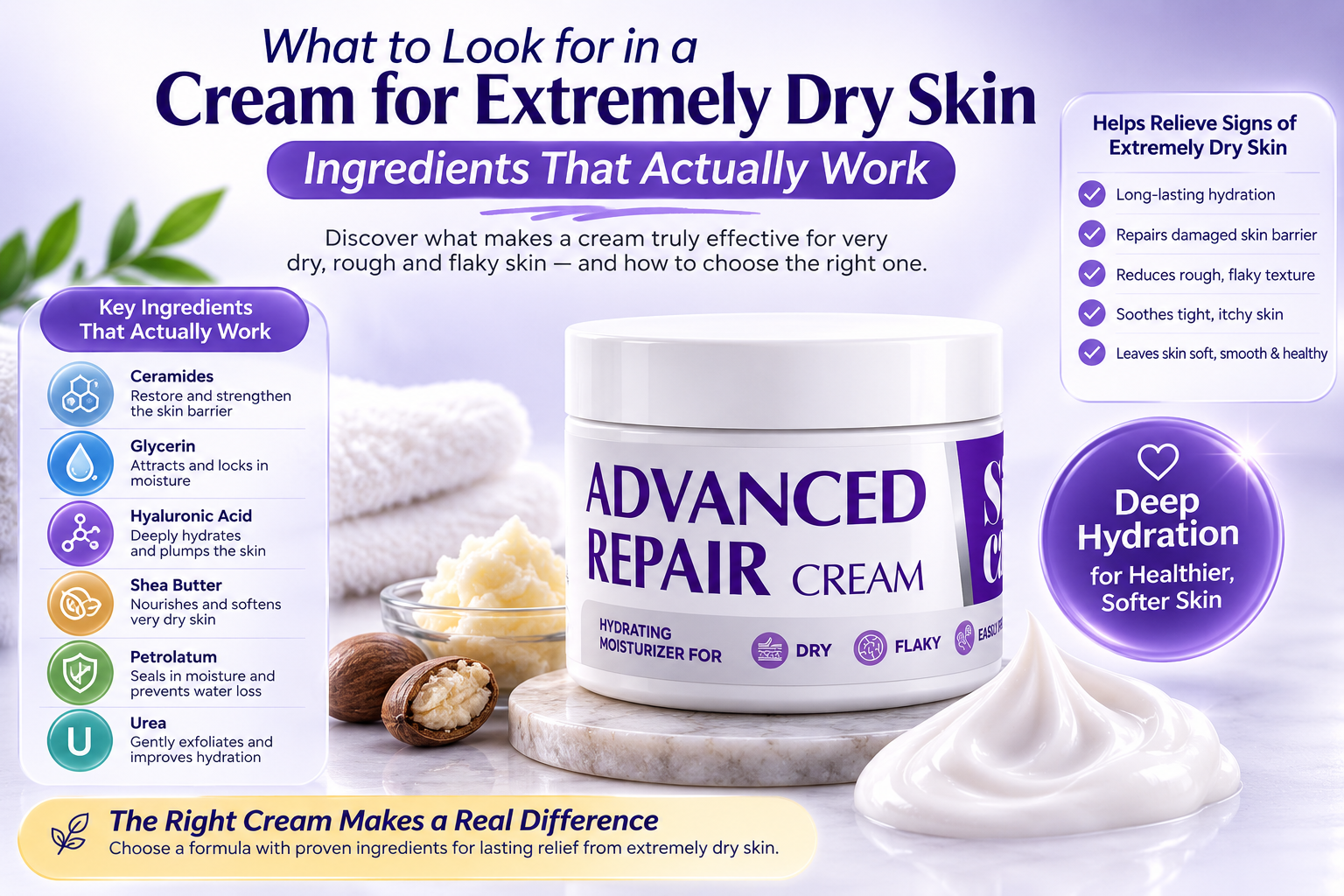
Ceramides, glycerin, hyaluronic acid, and petrolatum are among the most effective ingredients for improving hydration and strengthening the skin barrier.
How long does it take to improve dry skin?
Mild dryness may improve within a few days, while severely damaged skin barriers can take several weeks of consistent care.
Should people with dry skin use sunscreen?
Yes. Sun exposure can further weaken the skin barrier and increase dryness. A moisturizing broad-spectrum sunscreen should be used daily.
Treating dry skin is not only about applying more moisturizer. Many cases of persistent dryness result from everyday habits that unintentionally damage the skin barrier. Avoiding these seven common mistakes can help restore hydration, reduce irritation, and support healthier, more comfortable skin over time. A gentle, consistent skincare routine is usually the most effective approach for long-term results.