Healthy, glowing skin starts with a strong skin barrier. Yet many people unknowingly damage this protective layer through over-exfoliation, harsh skincare products, environmental stressors, or dehydration. The result? Skin that feels irritated, tight, sensitive, and difficult to manage.
If your complexion suddenly seems more reactive than usual, your skin barrier may be crying out for help. This guide will help you understand what a damaged skin barrier is, how to identify it, and the most effective ways to restore it.
The skin barrier is the outermost layer of your skin, often described as the matrix that keeps moisture in and irritants out. Think of it as your body’s natural shield, protecting against pollution, bacteria, allergens, and moisture loss.
When this barrier is healthy, your skin stays hydrated, smooth, and resilient. When it becomes compromised, water escapes more easily and irritants penetrate deeper, leading to inflammation and discomfort.
A damaged skin barrier often shows clear warning signs. You may notice:
If several of these symptoms sound familiar, your skin barrier may need immediate attention.
One of the most common misconceptions in skincare is confusing dry skin with dehydrated skin.
Dry skin is a skin type characterized by a lack of natural oils (sebum). People with dry skin generally produce less oil and may experience roughness year-round.
Dehydrated skin, on the other hand, is a temporary condition caused by a lack of water within the skin. Even oily or combination skin can become dehydrated.
Common causes of skin dehydration include:
When dehydration persists, it weakens the skin barrier and makes the skin more vulnerable to irritation.
The good news is that skin barriers can recover with the right approach. The key is to simplify your routine and focus on hydration and barrier support.
Temporarily reduce or stop products that may further irritate your skin, including:
Giving your skin a break allows it to focus on healing rather than constantly defending itself.
Choose a mild, fragrance-free cleanser that cleans without stripping away natural oils. Harsh cleansers can worsen dehydration and delay recovery.
Look for formulas designed specifically for sensitive or compromised skin.
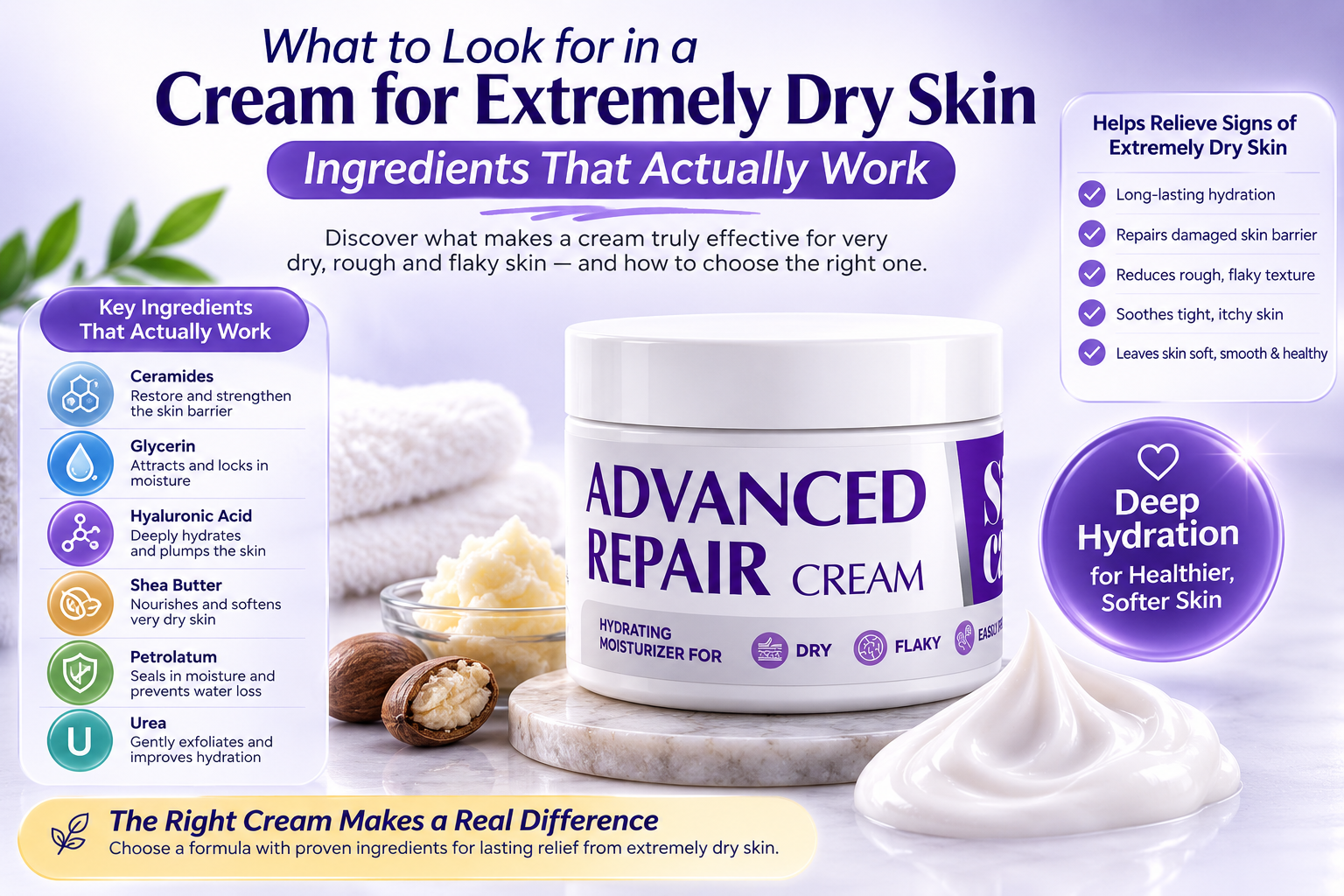
Hydration is essential when repairing a damaged barrier. Ingredients such as glycerin, hyaluronic acid, and panthenol help attract and retain water within the skin.
Apply hydrating products immediately after cleansing while the skin is still slightly damp to maximize moisture retention.
A high-quality moisturizing cream for sensitive skin can significantly improve comfort and reduce irritation. These creams are formulated to provide long-lasting hydration while minimizing the risk of reactions.
Look for products containing:
These ingredients help strengthen the skin’s natural defenses and reduce moisture loss.
UV exposure can slow barrier recovery and worsen inflammation. Wearing a broad-spectrum sunscreen every day helps prevent additional damage while your skin heals.
Choose a sunscreen formulated for sensitive skin if your barrier is currently compromised.
Not all moisturizers are created equal. When dealing with dehydration and irritation, the goal isn’t simply adding moisture it’s helping the skin retain it.
A specialized repair cream for dehydrated skin often contains a combination of humectants, emollients, and lipids that work together to restore the skin’s protective structure.
These formulations support healing by:
Consistent use can help accelerate recovery and restore a healthy, balanced complexion.
Recovery time varies depending on the severity of the damage. Mild irritation may improve within a few days, while more significant barrier disruption can take several weeks.
Patience is crucial. Avoid introducing new active ingredients until your skin feels comfortable, hydrated, and resilient again.
Repairing a damaged skin barrier requires more than simply adding moisture it requires rebuilding the lipids that hold the barrier together. By delivering skin-identical lipids such as ceramides, cholesterol, and essential fatty acids, advanced lipid replenishment helps restore the barrier’s structure, improve moisture retention, and reduce sensitivity more efficiently. Combined with a gentle skincare routine and a targeted repair cream for dehydrated skin, this approach can serve as the fast track to healthier, calmer, and more resilient skin. When your skin barrier is strong, hydration stays locked in, irritation stays out, and your skin can finally perform at its best.