Dry skin is one thing. Extremely dry, flaky skin that cracks, pulls tight, and just never seems to get better that’s a whole different problem. And if you’ve been dealing with it for a while, you already know how frustrating it is to try product after product, spend good money, and still wake up the next morning with that same rough, uncomfortable feeling.
I’ve been there. After years of trying every lotion and cream on the market – most of them promising miracles and delivering nothing – I finally started paying attention to what actually matters: the ingredients, the formulation, and what skin science actually says about deep repair.
In this post, I’m breaking down exactly what dermatologists look for in a cream for extremely dry skin, which ingredients do the heavy lifting, and what’s actually worth your money.
Regular dry skin is usually a surface-level hydration issue – you drink more water, use a decent moisturizer, done. But when your skin is extremely dry or chronically flaky, something deeper is going on. Your skin barrier is compromised.
The skin barrier – that outermost protective layer – is responsible for keeping moisture in and irritants out. When it’s damaged or weakened, moisture escapes constantly, and your skin can’t retain what you put on it. That’s why light lotions do basically nothing. You need something that actually seals and repairs, not just hydrates temporarily.
Common signs you’re dealing with a damaged skin barrier, not just surface dryness:
Sound familiar? That means your skin needs more than hydration – it needs repair. And that changes everything about what kind of cream you should be using.
Here’s the thing about dermatologists – they’re not impressed by fancy packaging or a long list of exotic botanicals. When recommending creams for severely dry or flaky skin, they focus on three types of ingredients that are proven to work:
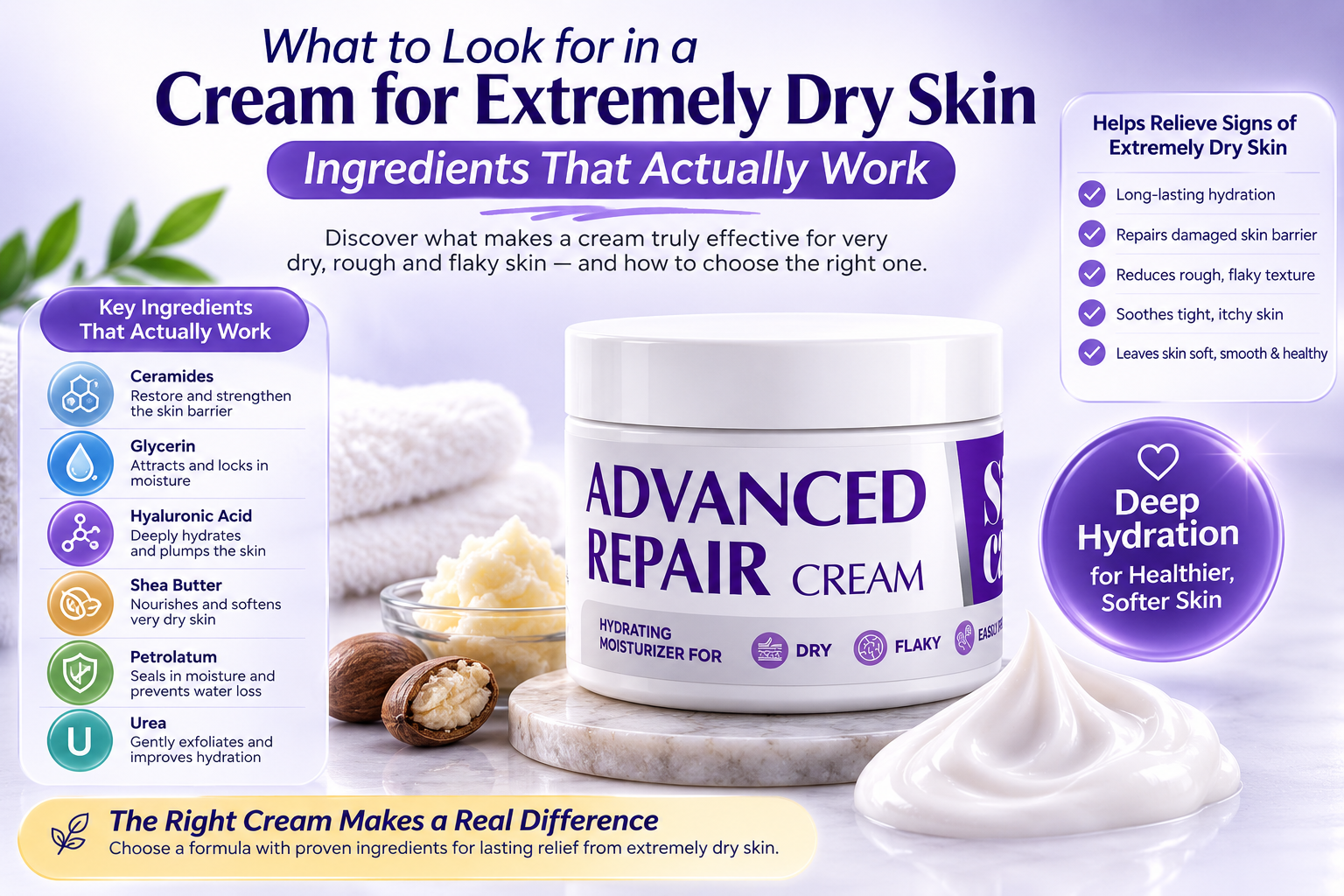
Occlusives create a physical barrier on the skin’s surface to prevent water loss. Think of it like wrapping your skin in a thin, breathable seal. Petrolatum (yes, the stuff in basic petroleum jelly) is one of the most effective occlusives known to dermatology. It’s not glamorous, but it genuinely works – and skin absorbs it well without clogging pores when used in a well-formulated cream.
Humectants attract water from the environment and from deeper skin layers, bringing it up to the surface where it’s needed. Glycerin is the gold standard – it’s gentle, effective, and plays well with sensitive skin. You’ll find it in almost every well-formulated moisturizer, and for good reason.
Emollients fill in the gaps between skin cells, smoothing out rough texture and giving that soft, comfortable feel. Safflower oil is a great example – it’s lightweight, rich in linoleic acid, and especially good for skin that reacts to heavier oils.
The best creams for extremely dry skin hit all three of these categories, not just one. That’s the difference between a moisturizer that feels good for an hour and one that actually changes how your skin looks and feels over time.
Most people know about hyaluronic acid, glycerin, and shea butter. But there’s one ingredient that doesn’t get nearly enough attention for what it does: Amorphous Silica.
Amorphous Silica is a skin-conditioning ingredient that does something really useful in a cream formula – it helps improve texture and absorption, giving the product that smooth, non-greasy finish while still allowing the active moisturizing ingredients to do their job. It helps the cream feel light on application while the formula underneath works deep.
For people with extremely dry skin who hate the heavy, sticky feeling of thick creams, this is a game changer. You get the repair benefits of a rich formula without feeling like you’ve smeared on a layer of butter.
After testing a lot of products and talking to people who deal with chronically dry and sensitive skin daily, here’s what actually matters when choosing a repair cream:
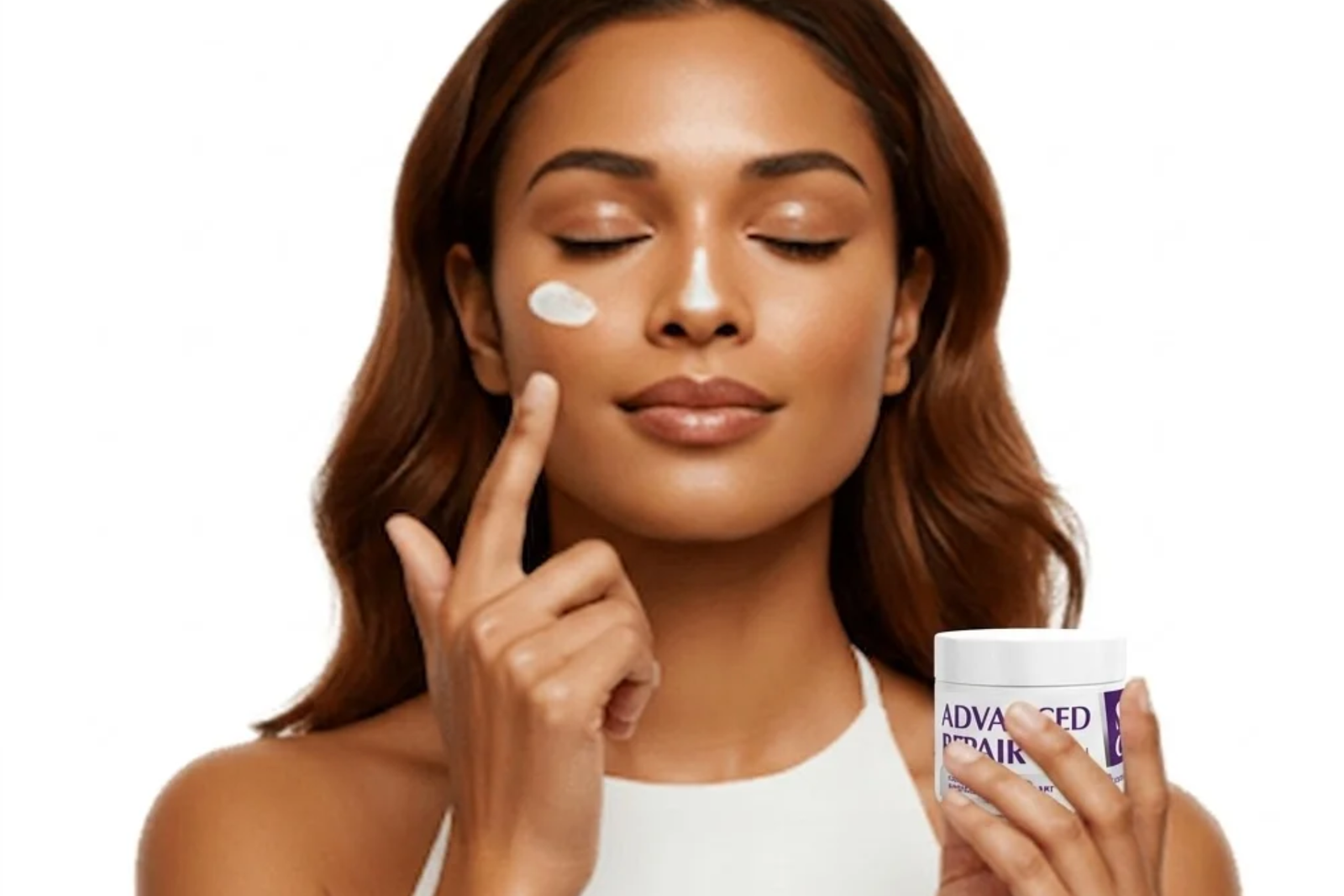
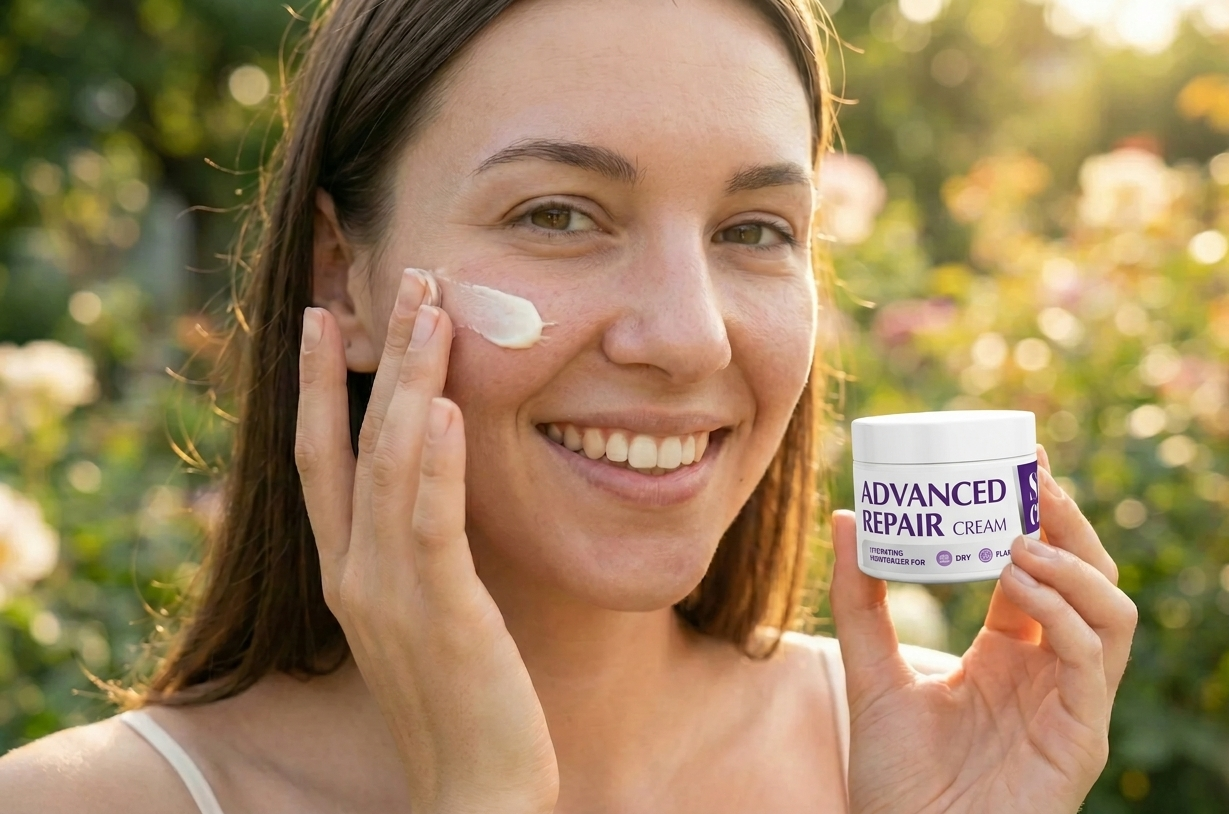
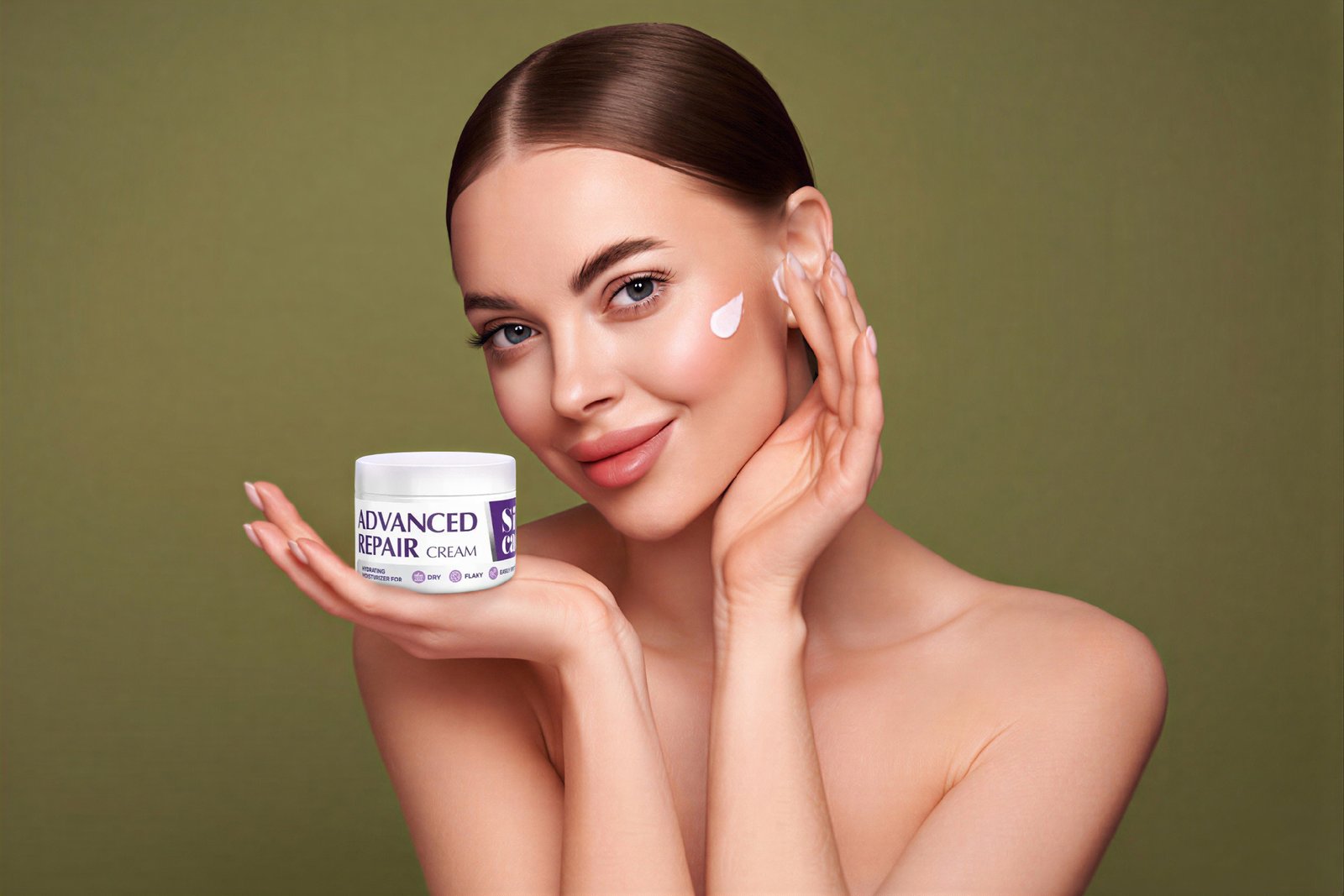
One product that checks all of these boxes – and that I genuinely recommend to people dealing with severe dryness – is the SilaCalm Advanced Repair Cream. It’s formulated specifically for dry, flaky, and sensitive skin with a combination of petrolatum, safflower seed oil, glycerin, and amorphous silica. The texture is rich without being heavy, absorbs cleanly, and leaves skin feeling genuinely comfortable – not just temporarily moisturized.
People who use it report that rough patches on arms, legs, and face smooth out with consistent daily use. One reviewer said it “tightens and plumps” skin without leaving any greasy residue – which is hard to find in a cream that actually works on extreme dryness.
Even the best cream in the world won’t perform well if you’re not applying it correctly. Here’s what actually makes a difference:
After washing your face or showering, pat skin until it’s just slightly damp – not fully dry. Applying cream to damp skin helps lock in that existing moisture. This one step alone makes a noticeable difference in how effective your moisturizer feels.
Consistency is everything with extremely dry skin. One application here and there won’t cut it. The skin barrier takes time to rebuild, and you need to give it steady, daily support. Two applications per day – morning and before bed – is the dermatologist-recommended approach for repair, not just maintenance.
Elbows, knees, heels, hands, and the area around the nose and mouth tend to dry out faster than everywhere else. Give these areas a second pass – a slightly thicker layer held in for a few seconds before moving on.
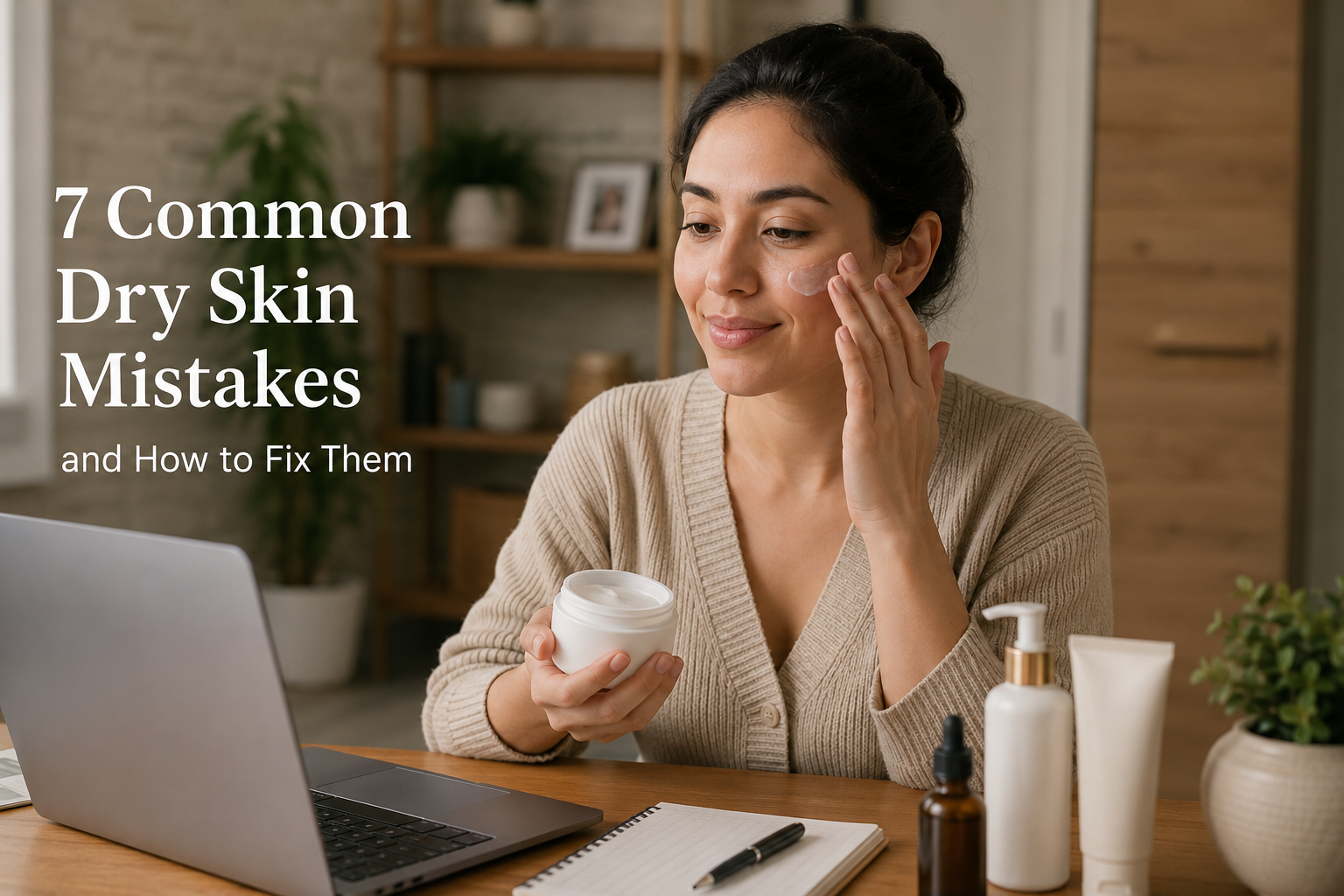
Good cream, wrong habits – and you’ll still be frustrated. Here are the most common mistakes that undermine even the best skincare routine:
You’ll usually feel an immediate improvement in comfort and softness within the first day or two. But actual skin barrier repair – where flakiness stops coming back and texture improves noticeably – typically takes two to four weeks of consistent twice-daily use.
Yes, if the formula is designed for both – like SilaCalm Advanced Repair Cream, which is specifically formulated as a daily face and body cream. Just make sure whatever you’re using is non-comedogenic (won’t clog pores) if you’re applying it to your face.
Absolutely – refined petrolatum (the kind used in cosmetics) is one of the safest, most well-studied skincare ingredients in existence. It’s non-allergenic, doesn’t penetrate the skin, and is recommended by dermatologists specifically because it’s so gentle and effective for extremely dry and sensitive skin.
Water content. Lotions have a higher water content and feel lighter but absorb quickly and don’t provide lasting moisture for very dry skin. Creams have a higher oil content, which means they sit on the skin longer, provide more occlusion, and work much better for seriously dry or damaged skin.
Extremely dry and flaky skin isn’t something you just live with. It’s your skin’s way of telling you its barrier is struggling – and it genuinely responds when you give it the right support. That means skipping the watery lotions and light serums and going for something with real occlusive and humectant power, combined with ingredients that help skin feel smooth and non-greasy.
If you want a starting point that’s been formulated specifically for this kind of skin – dry, flaky, sensitive, easily irritated – the SilaCalm Advanced Repair Cream is worth trying. It covers all the bases without any unnecessary irritants, and it works for both face and body, morning and night. Take care of your skin consistently, and it’ll take care of you back. It just takes a little time and the right formula.